



No. 7 in the Missouri Native Series
Wild Bergamot
Monarda fistulosa
Missouri Native Series No. 7. Lavender blooms for bees, butterflies and hummingbirds, June–August. No winter chill needed.
- Missouri native seed, packed for 2027
- Postmarked to sow March to May
- Grow Guarantee: if it doesn't come up after you follow the guide, we'll send a replacement
About this plant
The name comes from the plant’s scent, and you’ll understand the first time you brush past the leaves. Wild bergamot grows statewide in Missouri’s fields, prairies and woodland edges, and from June into August its lavender flower heads are busy with bees, butterflies and hummingbirds.
Several native bees specialize in it, and it’s a host plant for the hermit sphinx moth. Even the dead stems are useful: stem-nesting bees move into them.
It’s also one of the easiest natives to start: no winter chill needed, so it’s the one spring-postmark stamp in the series. Each packet is hand-filled in St. Charles County, Missouri.
Good to know
- Powdery mildew is common on Monarda. Give it good drainage and air circulation.
How to grow
- Pick the spot. Full sun to light shade, with room around it for air to move.
- Sow in spring. From March to May, scatter the seed on bare, moist soil and press it in. Don’t bury it; a dusting of soil is plenty.
- Keep the surface moist until sprouts appear.
- Or sow in winter. It needs no chill, but winter sowing works fine. See our winter sowing guide.
- Deadhead for a longer show. Grow Native! suggests removing spent flowers to prolong summer bloom. Leave the last flush to form seed heads.
- Divide when it gets crowded. It spreads slowly by rhizomes; the Lady Bird Johnson Wildflower Center suggests dividing it every three years.
Good neighbors
Species from the series that grow well alongside Wild Bergamot:
- No. 1 Purple Coneflower
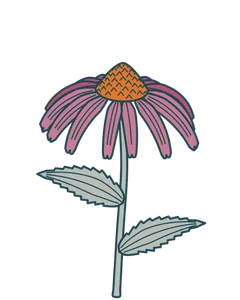 No. 1, Purple Coneflower
- No. 3 Black-eyed Susan
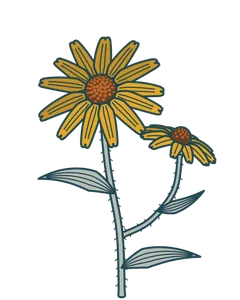 No. 3, Black-eyed Susan
- No. 6 Common Milkweed
 No. 6, Common Milkweed
Questions
Does wild bergamot need cold stratification?
No. The Lady Bird Johnson Wildflower Center says the seeds don’t need it, and Prairie Moon notes it germinates on bare soil in spring without overwintering.
Is it the same as bee balm?
“Bee balm” is a common name used for several Monarda species and garden hybrids. Wild bergamot, Monarda fistulosa, is the lavender species that grows wild statewide in Missouri.
Will it spread?
Slowly, by rhizomes. Prairie Moon calls it short-lived and not aggressive in the Midwest, and seedlings are easy to pull.
What about powdery mildew?
Prairie Moon notes that Monarda does tend to get powdery mildew. The Lady Bird Johnson Wildflower Center’s advice: good drainage and good air circulation. Give each plant room.
Sources for these facts
- Grow Native! (Missouri Prairie Foundation): Wild Bergamot (checked 2026-10-13)
- Lady Bird Johnson Wildflower Center: Monarda fistulosa (checked 2026-10-13)
- Missouri Department of Conservation: Field Guide: Wild Bergamot (checked 2026-10-13)
- NC State Extension Gardener Plant Toolbox: Monarda fistulosa (checked 2026-10-13)
- Prairie Moon Nursery: Germination Codes and Seed Starting Basics (PDF) (checked 2026-10-13)
- Prairie Moon Nursery: Monarda fistulosa (Wild Bergamot) (checked 2026-10-13)
- Purdue Landscape Report (Karen Mitchell, May 1, 2026): Establishing a Native Perennial Garden: Understanding the 'Sleep, Creep, Leap' Pattern (checked 2026-10-13)