



No. 2 in the Missouri Native Series
Ozark Coneflower
Echinacea paradoxa
Missouri Native Series No. 2. The only yellow native coneflower, from Ozark glades. Blooms May–June in full sun and dry, rocky soil.
- Missouri native seed, packed for 2027
- Postmarked to sow December to February, outdoors (winter sowing)
- Grow Guarantee: if it doesn't come up after you follow the guide, we'll send a replacement
About this plant
Every other native coneflower is pink or purple. This one is yellow, and that’s the paradox in its botanical name, Echinacea paradoxa. It grows naturally only in the Ozarks of Missouri and Arkansas, on rocky limestone and dolomite glades, and it’s listed as imperiled in Arkansas.
Wild coneflowers have been hurt by root-digging for the herb trade, so the right way to have one is to grow it from seed. Give it sun and good drainage and it will hold its yellow petals over the garden in May and June, with bees and butterflies on the flowers and finches on the seed heads.
It needs a winter chill to sprout, which makes it a natural for winter sowing. Each packet is hand-filled in St. Charles County, Missouri.
Good to know
- Rare in the wild. Grow it from seed and never dig plants from glades; MDC notes Missouri’s coneflowers are threatened by harvest for the herb market.
How to grow
- Pick the spot. Full sun and soil that drains fast: a slope, a rocky bed or a raised edge. It doesn’t like wet feet.
- Sow in late fall or winter. Between November and February (earlier is better), scatter the seed on bare, weed-free soil or in a winter-sowing jug and cover lightly, about 1/8 inch. See our winter sowing guide.
- Or use the fridge. Mix the seed with damp sand in a sealed bag, chill it 60 days, then sow after the last frost (mid-April in St. Charles County). Here’s the fridge method.
- Be patient. Like most native perennials, it spends its first year growing roots. Expect flowers in the second or third year.
- Water only while it’s young. Once established, it’s very drought tolerant.
Good neighbors
Species from the series that grow well alongside Ozark Coneflower:
- No. 11 Missouri Evening Primrose
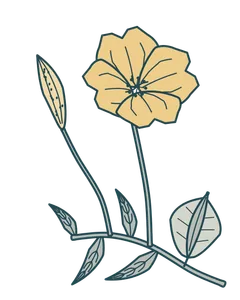 No. 11, Missouri Evening Primrose
- No. 4 Butterfly Milkweed
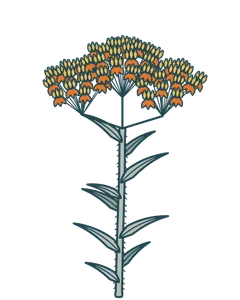 No. 4, Butterfly Milkweed
- No. 8 Lanceleaf Coreopsis
 No. 8, Lanceleaf Coreopsis
- No. 9 Rough Blazing Star
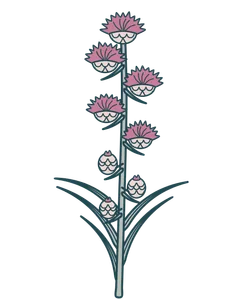 No. 9, Rough Blazing Star
Questions
Is Ozark coneflower really native to Missouri?
Yes. The Missouri Department of Conservation says it occurs naturally only in the Ozarks of Missouri and Arkansas, mostly in the western half of the Missouri Ozarks, on glades, prairies and savannas.
Is it the same as a yellow garden coneflower hybrid?
No. This is the wild species, not a cultivated hybrid. Its yellow color is natural.
Why does it need a winter chill?
Its seed is dormant until it has spent about 60 days cold and moist, the way it would over a Missouri winter. Sowing outdoors between November and February takes care of that.
Can I dig one from the wild instead?
Please don’t. The Missouri Department of Conservation notes that Missouri’s coneflowers are threatened by harvest for the herb market. Growing it from seed is the right way to have it.
Sources for these facts
- Grow Native! (Missouri Prairie Foundation): Yellow Coneflower (Echinacea paradoxa) (checked 2026-10-13)
- Lady Bird Johnson Wildflower Center: Echinacea paradoxa (checked 2026-10-13)
- Missouri Department of Conservation: Field Guide: Yellow Coneflower (Echinacea paradoxa var. paradoxa) (checked 2026-10-13)
- Missouri Wildflowers Nursery: Echinacea paradoxa (Yellow Coneflower) (checked 2026-10-13)
- NC State Extension Gardener Plant Toolbox: Echinacea paradoxa (checked 2026-10-13)
- Prairie Moon Nursery: Germination codes and instructions (checked 2026-10-13)
- Prairie Moon Nursery: Echinacea paradoxa (Bush's Coneflower) (checked 2026-10-13)
- Purdue Landscape Report (Karen Mitchell, May 1, 2026): Establishing a Native Perennial Garden: Understanding the 'Sleep, Creep, Leap' Pattern (checked 2026-10-13)